
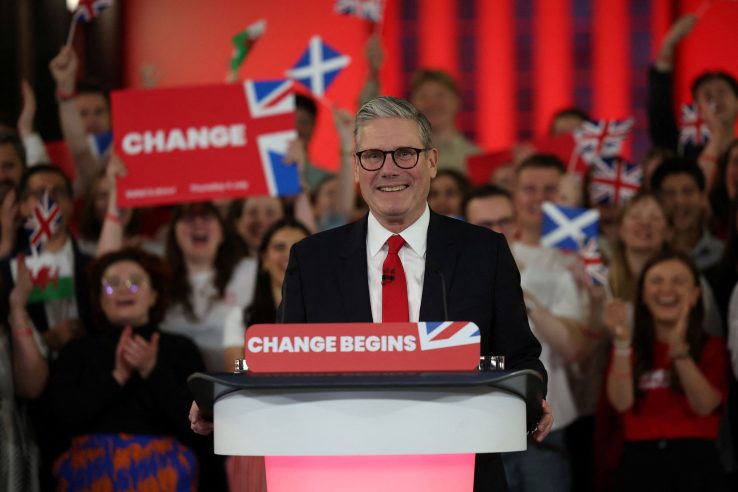
The Labour Party’s Potential Moves for the Events Industry in the Upcoming Budget
As the UK’s events industry looks to rebound from the challenges it has faced in recent years, all eyes are on the upcoming budget from the Labour Party. This sector, which contributes significantly to the UK economy through conferences, festivals, exhibitions, and more, has been particularly vulnerable to disruptions, including the COVID-19 pandemic and ongoing economic uncertainty. With Labour potentially outlining new fiscal policies, the industry is eager to see how it might benefit from the upcoming budget. Here’s what might be in store.
1. Targeted Financial Support
The events industry has long called for more tailored financial assistance, particularly for smaller businesses and freelancers who make up a significant portion of the sector. Labour may look to introduce grants, low-interest loans, or tax relief programs specifically designed to help these smaller players stabilize and grow. Considering the financial strain on the industry, such measures would be a welcome relief, allowing businesses to invest in new technologies, marketing strategies, and workforce development.
2. VAT Reduction on Event Services
One of the major cost components for event organizers is the Value Added Tax (VAT) on services and goods. Labour could propose a temporary reduction in VAT for event-related services, which would reduce operational costs and make it more affordable for companies to host events. This move would be particularly beneficial for venues, catering services, and technical support companies, enabling them to offer more competitive pricing.
3. Sustainability Incentives
Sustainability is becoming an increasingly important focus within the events industry, and Labour’s budget could include incentives aimed at promoting green practices. This might involve tax breaks or grants for companies that invest in sustainable infrastructure, such as energy-efficient lighting, waste reduction programs, or carbon offset initiatives. By encouraging a shift towards more environmentally friendly events, Labour would not only help the industry adapt to changing consumer preferences but also align with broader climate goals.
4. Investment in Infrastructure and Technology
Labour might also prioritize investment in the infrastructure and technology that underpins the events industry. This could include funding for the development of high-speed internet in rural areas, improvements to transportation links, and support for new event technologies like virtual and hybrid event platforms. Such investments would not only enhance the capacity and reach of events but also position the UK as a global leader in event technology.
5. Support for Skills Development
The events industry relies heavily on a skilled workforce, from event planners to technicians. Labour could introduce funding for skills development programs, apprenticeships, and training initiatives tailored to the needs of the sector. By enhancing the skills of the existing workforce and attracting new talent, Labour could help the industry maintain its competitive edge and prepare for future challenges.
6. Strengthening Local Economies Through Events
Labour may also seek to boost regional economies by promoting local events and festivals. This could involve funding for community-driven events, incentives for businesses to sponsor local activities, or support for regional marketing campaigns. By fostering a vibrant local events scene, Labour could help stimulate economic growth in areas that have been hit hardest by recent economic downturns.
7. Enhancing Business Resilience
Given the uncertainty faced by the events industry, Labour might propose measures aimed at enhancing business resilience. This could include insurance schemes to cover unexpected disruptions, support for business continuity planning, and initiatives to help companies diversify their revenue streams. By helping businesses build resilience, Labour could ensure that the industry is better prepared for future shocks.
Conclusion
The Labour Party’s upcoming budget presents a crucial opportunity to support the UK’s events industry as it navigates a complex landscape. By offering targeted financial support, reducing VAT, promoting sustainability, investing in infrastructure, supporting skills development, boosting local economies, and enhancing business resilience, Labour could provide the sector with the tools it needs to thrive. As details of the budget emerge, stakeholders in the events industry will be watching closely, hoping for policies that will not only help them recover but also set the stage for future growth.


